
Neighborhood at a glance

  • Why visit: Come for Senso-ji, Kaminarimon, and Nakamise-dori, then stay for the Sumida riverfront and the easy walk to TOKYO SKYTREE.
  • Atmosphere: temple-centered, crowded, lantern-lined, riverfront
  • Top things to do: Visit Senso-ji Temple, walk through Kaminarimon and Nakamise-dori, photograph the skyline from Sumida Park, walk to TOKYO SKYTREE
  • Best for: first-time visitors, history buffs, street-food grazers, photographers
  • Time needed: 3–5 hours
  • Best time to visit: Before 9am for a quieter walk through Senso-ji and better light at Kaminarimon, or late afternoon for river views and Skytree lights.
  • Nearby: TOKYO SKYTREE, Sumida Park, Kappabashi Kitchen Town, Asakusa Culture Tourist Information Center, Hanayashiki, Kuramae

Top things to do in Asakusa

Pro tip

Start at Senso-ji before 8am, then loop back to Nakamise-dori once the shops open — you’ll see the temple without the crush, then catch the street at its liveliest.


Quick navigation

🏛️ Why visit   | 🎟️ Best ways to explore   |🧭 Plan your visit   | 🌟 Free things to do  | 📋 Itinerary   | 💡 Tips   | 🍴 Dining


Why visit Asakusa

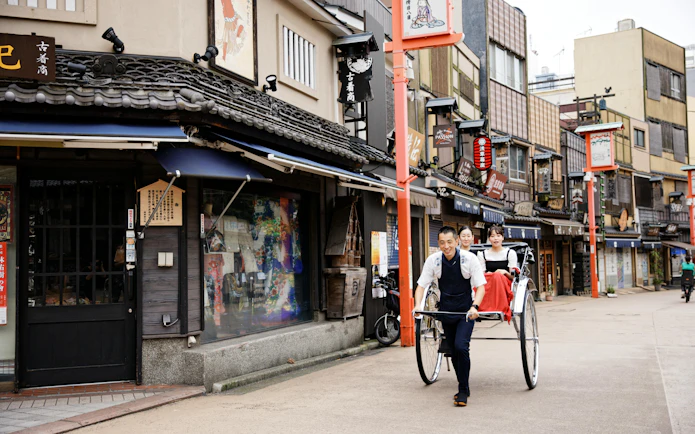
Kaminarimon and temple approach in Asakusa
Walk between Senso-ji and Sumida Park
Snack stalls on Nakamise-dori
Tokyo Skytree seen from Asakusa streets
Asakusa Station and nearby walking routes
1/5

Edo-era Tokyo still feels intact

From Kaminarimon to Sensō-ji, Asakusa follows a historic temple approach that predates modern Tokyo’s skyline and street grid.

Major sights fit into one easy walk

You can cover Senso-ji, Sumida Park, and the route toward Tokyo Skytree without needing multiple train rides, making Asakusa especially easy for first-time visitors.

The food works best as grazing

Nakamise-dori and the surrounding lanes are ideal for snack stops like melon pan, ningyo-yaki, tempura, and quick street-food breaks between sights.

Historic streets meet the modern skyline

From river paths and side streets, TOKYO SKYTREE regularly appears behind older temple-era streetscapes, creating one of Tokyo’s clearest old-versus-new contrasts.

It’s practical as well as photogenic

Clear walking routes and direct subway access make Asakusa a convenient base for exploring eastern Tokyo, especially with a Tokyo Subway Ticket.

Best ways to explore Asakusa

Walking is the best way to cover Asakusa's main sequence — Kaminarimon, Nakamise-dori, Hozomon, and Sensō-ji — which runs in a straight line and takes about 20 minutes end to end. Extend west along Kappabashi Dori for the kitchenware district or east to Sumida Park for river views, and the route fills a solid half-day. The Asakusa & Sensō-ji Temple Self-Guided Audio Tour adds historical depth to the walk without locking you to a group pace.

Pro tip

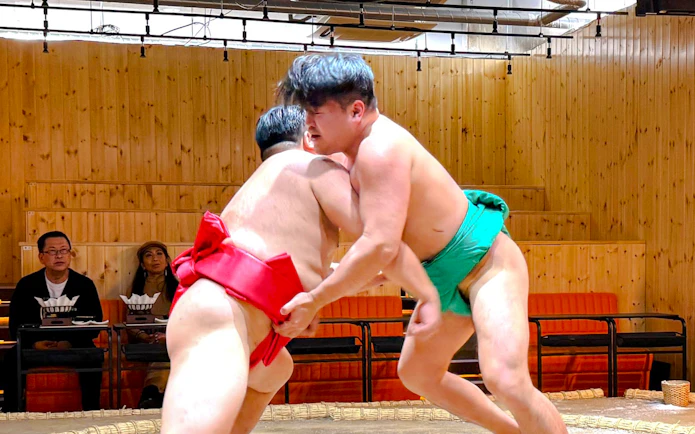
If Asakusa is the main reason you’re in east Tokyo, book the Sumo Show with Chanko-Nabe Dinner, Souvenir Photo & Ring Challenge · Asakusa for the evening, then keep the daytime free for Senso-ji and the riverfront. If you want something more kinetic, the Tokyo: Asakusa, Kaminarimon & Skytree 60/120-Min Go-Karting Experience by JAPANKART ties the neighborhood to nearby districts in one sweep.

Plan your visit

3. Pro tip

The strongest value play here is the Tokyo City Pass: Free Entry to teamLab Planets & 4 Top Landmarks because it includes the Sensoji Temple – Incense-lighting experience plus unlimited subway rides. If Asakusa is your anchor neighborhood for the day, that’s a cleaner fit than buying separate local transport.

Free things to do in Asakusa

Suggested itinerary for visiting Asakusa

Asakusa is easy to walk because the neighborhood unfolds in a few clear directions: north-south through the temple axis, west toward Kappabashi, and east toward the river and TOKYO SKYTREE. You can keep it compact or let it spill naturally into Oshiage.

Tips

  • If you’re using Tokyo Subway Tickets for 24/48/72 Hour, remember they cover Tokyo Metro and Toei Subway lines only. They do not cover JR Lines, so don’t assume you can jump onto the Yamanote Line later without paying separately.
  • For the cleanest first photo of Kaminarimon, go upstairs in the Asakusa Culture Tourist Information Center before you walk through the gate. The elevated angle works better than trying to step backward into traffic at street level.
  • If you want Senso-ji without the crush, do the temple first and Nakamise-dori second. The temple grounds are the reason to come early; the shop street is better once stalls are fully open.
  • Walk from Asakusa to TOKYO SKYTREE through Sumida Park rather than taking the main road the whole way. It’s calmer, less traffic-heavy, and gives you better tower frames.
  • For a classic sit-down meal, go before noon at places like Daikokuya Tempura Honten or book ahead for Asakusa Imahan. Lunch queues in this part of Tokyo are real, especially on weekends.
  • If you’re snacking near Senso-ji, don’t plan to eat while walking. In Tokyo, that reads poorly in temple areas, so finish your food near the stall or step aside before moving on.
  • Free restrooms are easiest at Senso-ji and inside the Asakusa Culture Tourist Information Center. Use them before walking to the river or Skytree, where stops feel more spread out.
  • If you’re visiting during Sanja Matsuri in May or the Sumida River Fireworks Festival period in July, treat Asakusa like an event zone, not a casual stroll neighborhood. Arrive with a fixed plan and expect bottlenecks.

Best photo spots in Asakusa

Kaminarimon from terrace above Asakusa

Kaminarimon from the Asakusa Culture Tourist Information Center terrace in the morning

Go up before or just after the shops open, and face straight down toward Kaminarimon and Nakamise-dori. You’ll get the gate, lantern, and temple axis in one frame, with softer front light than midday.

Tokyo Skytree from Azumabashi bridge
Skytree from Sumida Park river path
View from Hozomon toward Nakamise-dori
Traditional facades on Denboin-dori at dusk

Dining in Asakusa

#

4. Pro tip

If you only stop once for a sweet in Asakusa, make it Kagetsudo’s melon pan while it’s still warm. It’s better eaten right away than carried toward the river.

Should you stay in Asakusa?

Short answer: Yes, if you want easy mornings, older-style streets, and strong subway access in east Tokyo. It suits first-time visitors and slower-paced trips; the trade-off is that nightlife is quieter than Shibuya or Shinjuku.

  • The vibe — Early mornings feel unusually calm for Tokyo, especially around Senso-ji before the day-trippers arrive. After dark, the temple stays atmospheric, but the area settles earlier than entertainment districts.
  • The logistics — Asakusa has a good spread of business hotels, apartment stays, ryokan-style options, and mid-range chains around Asakusa Station and Tawaramachi. Prices are often easier than Ginza or Shibuya, but room sizes can still be compact.
  • Who it’s for — Best for first-time visitors, families, photographers, and travelers who like walking rather than late-night bar hopping. Less suitable if you want clubbing, luxury shopping, or to spend most of your trip in west Tokyo.
  • Top recommendation — Book around Kaminarimon-dori and the Asakusa Station area if you want the shortest walk to both transport and Senso-ji. If you prefer quieter nights, look slightly west toward Tawaramachi.

Explore other neighborhoods in Tokyo

Frequently asked questions about Asakusa

No. Senso-ji is the temple, while Asakusa is the wider neighborhood around it. If you only walk from Kaminarimon to the main hall and leave, you’ve seen the core sight but not all of Asakusa.